




CVT - the continuously variable transmission of the future
CVT (Continuously Variable Transmission) is an innovative transmission technology that is revolutionising the way power is transmitted in modern cars. Unlike traditional transmissions, the CVT does not have separate gears, offering smooth and stepless gear changes.
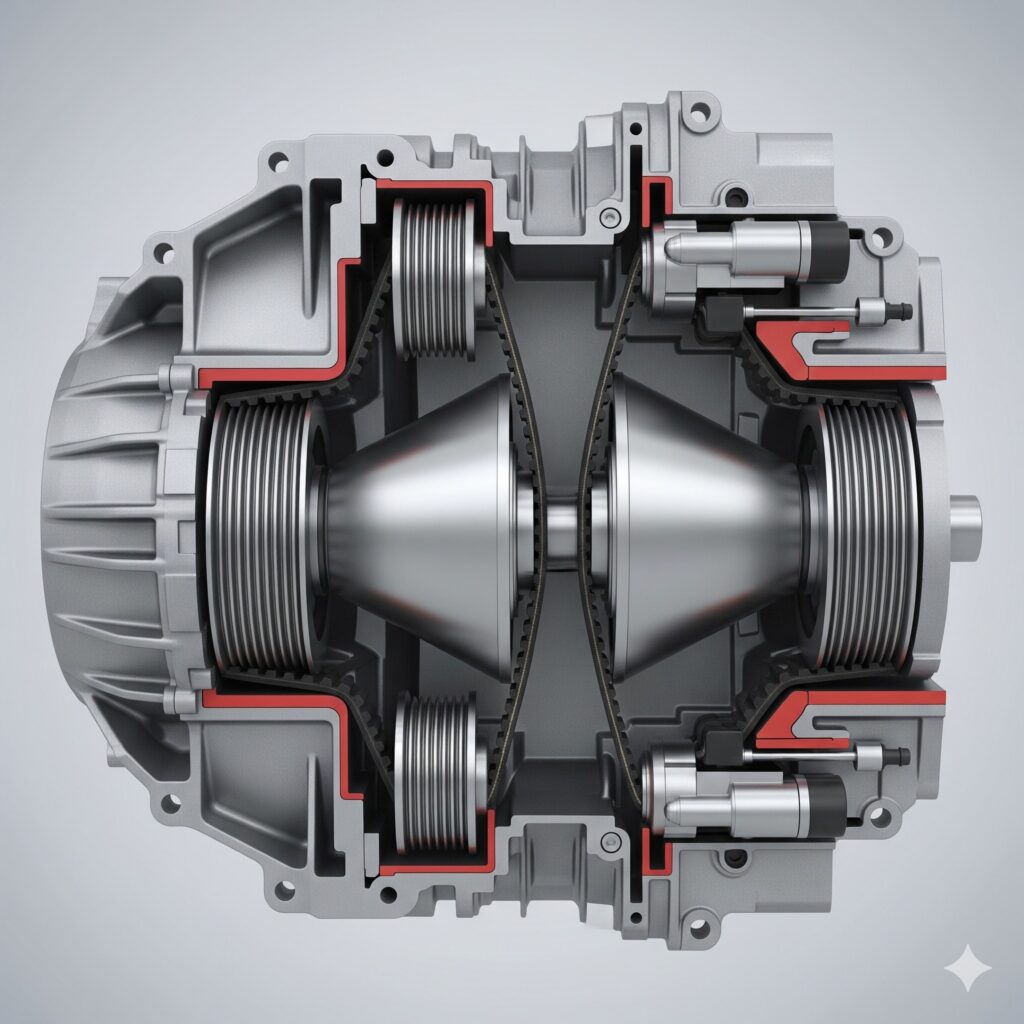
Operating principle of the CVT
Belt and pulley mechanism
The CVT uses a system of two pulleys connected by a metal belt or chain. The effective diameter of the wheels can vary thanks to movable cones, allowing the gear ratio to change smoothly over a wide range without the jumps typical of traditional gearboxes.
Electronic control
Modern CVT systems are controlled by sophisticated computers that analyse the driver's driving style, engine load, vehicle speed and other parameters. On this basis, they select the optimum gear ratio in real time.
Gear simulation
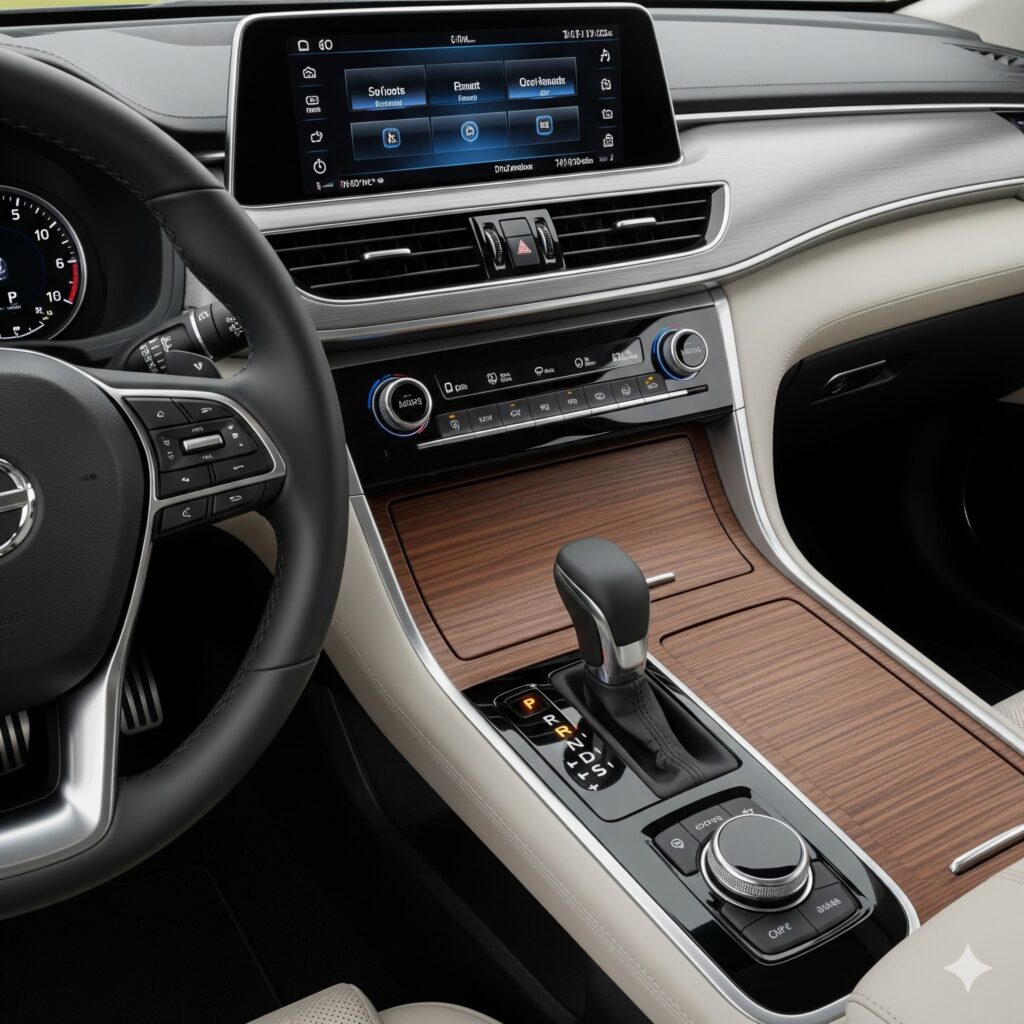
Many modern CVT transmissions have a function that simulates traditional gears, allowing the driver to manually control the gear ratios using paddles or manual mode. This solution combines the advantages of a CVT with a familiar driving feel.
Advantages of CVT
Smooth running
The biggest advantage of the CVT is the exceptionally smooth ride without any of the jerks or jumps characteristic of gear changes. Acceleration is linear and predictable, which significantly improves driving comfort.
Fuel economy
The CVT allows the engine to operate in the optimum rev range for most of the driving time. This translates into better fuel economy compared to traditional automatic transmissions, especially in city driving.
Wide range of gear ratios
Bezstopniowa natura CVT oznacza dostęp do ogromnego zakresu przełożeń, co pozwala na lepsze wykorzystanie charakterystyki silnika w różnych warunkach jazdy – od spokojnej jazdy miejskiej po dynamiczne przyspieszenia.
Lighter weight
The CVT design is generally lighter than traditional automatics with torque converters and planetary gears. This has a positive effect on overall vehicle weight and performance.
Disadvantages and limitations of the CVT
Specific sound
CVT może generować nietypowe dźwięki podczas przyspieszania – silnik może pracować na stałych obrotach podczas gdy samochód przyspiesza. To zjawisko niektórych kierowców może początkowo niepokoić, choć jest całkowicie normalne.
Torque restrictions
Traditional belt-driven CVTs have limitations in transmitting very high torque. Therefore, they are rarely used in sports cars or high-powered vehicles.
Repair costs
Servicing and repairing CVT transmissions can be more expensive than traditional manual transmissions. It requires specialist knowledge and often original parts, which affects operating costs.
Belt life
The metal belt in a CVT is subject to wear and tear and may need to be replaced after a certain mileage. Modern systems are much more durable, but still require regular maintenance.
Types of CVT systems
CVT with metal belt
The most common type of CVT uses a metal belt made up of hundreds of components joined together in a flexible structure. It provides high durability and precision performance.
CVT with chain
Some manufacturers use a chain instead of a belt, which allows more torque to be transmitted. This type of CVT can be found in some Audi or Subaru models, among others.
Planetary CVT
A less common variant that uses planetary gears to achieve stepless ratio changes. Mainly used in hybrid vehicles as part of a complex drive system.
CVTs in various car brands
Nissan Xtronic CVT
Nissan is a pioneer in the use of CVTs in passenger cars. The Xtronic CVT system is used in Micra, Juke, Qashqai or X-Trail models, offering a good balance between economy and performance.
Honda CVT
Honda uses its own CVT solutions in the Civic, CR-V or HR-V models. Japanese engineers have placed particular emphasis on the durability and operating culture of their systems.
Toyota Hybrid Synergy Drive
Toyota uses CVTs in its hybrid vehicles, integrating them into a drive system that combines the internal combustion engine with electric units. This solution provides exceptional fuel economy.
CVT operation - practical tips
Regular oil changes
Olej w skrzyni CVT wymaga regularnej wymiany zgodnie z zaleceniami producenta – zazwyczaj co 60,000-100,000 km. Używanie właściwego oleju CVT jest kluczowe dla długotrwałej pracy systemu.
Driving style
The CVT works best with a calm, predictable driving style. Avoid rapid acceleration and sudden braking, which can accelerate belt or chain wear.
Warming up in winter
In cold weather, allow the transmission to warm up before intensive driving. Cold CVT oil has a poorer viscosity, which can affect system operation.
Towing
Most vehicles with a CVT have limited towing capacity due to the design of the box. Check the manufacturer's recommendations before connecting a trailer.
CVT in the rental offer
Slawa Rent - the CVT experience
At Slawa Rent in Wadowice, we have experience with various types of transmission, including CVT. Our vehicles with these systems are particularly popular with customers who value driving comfort and fuel economy.
Instructions for customers
We always explain the specifics of this transmission to customers renting cars with CVTs. We explain the differences to a traditional automatic and present best operating practices.
Fleet maintenance
Our CVT vehicles undergo regular servicing with oil changes in accordance with manufacturers' recommendations. We take care to ensure proper maintenance to ensure reliability and comfort for our customers.
Choosing the right vehicle
For customers planning quiet city driving or long journeys, cars with CVTs may be the ideal choice. We can advise on the choice of vehicle to suit the customer's driving style and needs.
The future of CVT technology
Development of hybrid systems
The CVT plays a key role in modern hybrid systems, where smooth gear changes allow both the internal combustion engine and electric units to be used optimally.
Integration with artificial intelligence
Future CVT systems will be even more intelligent, learning the driver's driving style and adapting their operation to individual preferences and road conditions.
Materials and construction
The development of new materials and manufacturing technologies will enable the creation of even more durable and efficient CVT systems, capable of transmitting more torque.
CVT is a technology that combines innovation with practicality, offering drivers a new dimension in driving comfort. Despite some limitations, its advantages make it an increasingly popular choice in modern cars.